Tag

Tag: Kamikaze

Answers

What Was The Last Night Like For Kamikaze Pilots

kamikaze pilots

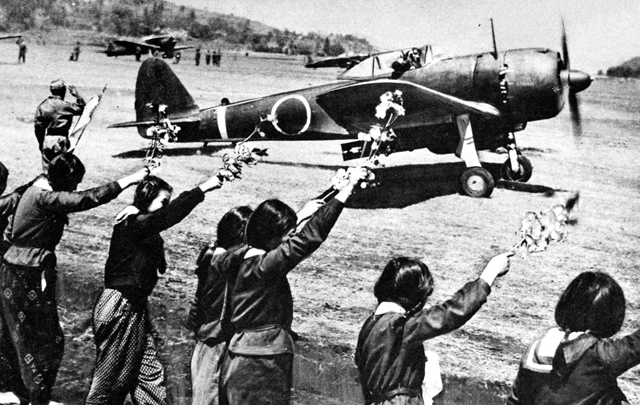
Despite the numerous published testaments, photographs, and films that depict smiling pilots saluting or waving goodbye as they take off on their final mission, a rare description of the night before departure tells a very different story. It occurs in a letter written on June 21, 1995, by Kasuga Takeo, who was eighty-six years old at the time, addressed to Umezawa Shōzō.Kasuga was drafted and assigned to look after the meals, laundry, room cleaning, and other daily tasks for the tokkōtai pilots at the Tsuchiura Naval Air Base. He describes the night before their final flights:
Read the rest: What Was The Last Night Like For Kamikaze Pilots
Answers

How Effective Were Kamikaze Attacks In WW2?

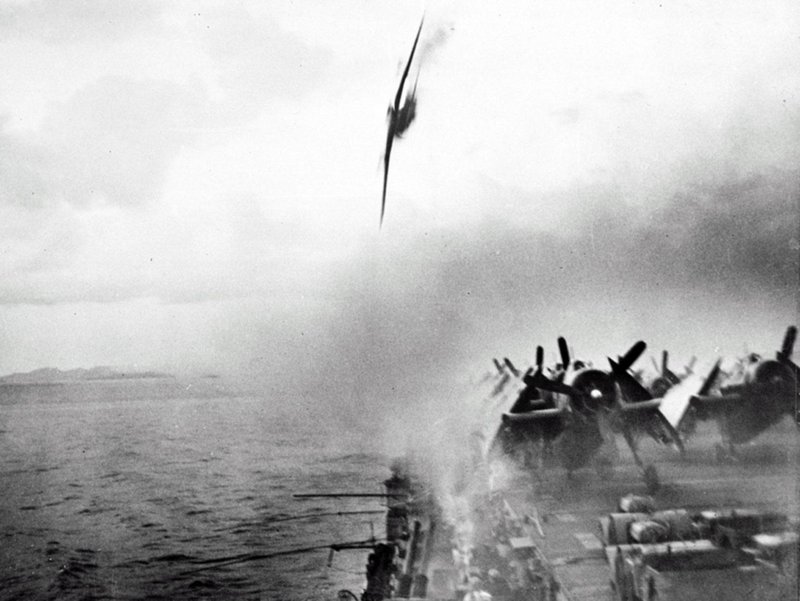
By 1944 suicide attacks had become de facto conventional air attacks for most Japanese pilots attacking American naval task forces.

For example, the Battle of the Philippine Sea justly earned the nickname the “Marianas Turkey Shoot” because the Japanese air units lost over five-hundred aircraft attacking the US fleet with only minor damage to the USS South Dakota to show for their efforts.

Read the rest: How Effective Were Kamikaze Attacks In WW2?
Picture Of The Day

Picture of the Day

Takijiro Ōnishi seppeku

After WW2 the Japanese Admiral who invented the idea of kamikaze pilots committed ritual suicide, seppuku, as an apology. After cutting through his abdomen he refused the customary beheading, instead slowly dying over several hours

Takijirō Ōnishi committed ritual suicide (seppuku) in his quarters on 16 August 1945, following the unconditional surrender of Japan at the end of World War II. His suicide note apologized to the approximately 4,000 pilots whom he had sent to their deaths, and urged all young civilians who had survived the war to work towards rebuilding Japan and peace among nations. He also stated that he would offer his death as a penance to the kamikaze pilots and their families. Accordingly, he did not use a kaishakunin (a second who executes him by beheading), and died of self-inflicted injuries over a period of 15 hours.

main

Feed Your Brain With These Fascinating Facts

After WW2 the Japanese Admiral who invented the idea of kamikaze pilots committed ritual suicide, seppuku, as an apology. After cutting through his abdomen he refused the customary beheading, instead slowly dying over several hours

Ōnishi committed ritual suicide (seppuku) in his quarters on 16 August 1945, following the unconditional surrender of Japan at the end of World War II. His suicide note apologized to the approximately 4,000 pilots whom he had sent to their deaths, and urged all young civilians who had survived the war to work towards rebuilding Japan and peace among nations. He also stated that he would offer his death as a penance to the kamikaze pilots and their families. Accordingly, he did not use a kaishakunin (a second who executes him by beheading), and died of self-inflicted injuries over a period of 15 hours.

Takijiro Ōnishi seppeku

Read the rest: Feed Your Brain With These Fascinating Facts
Picture Of The Day

Picture of the Day

kaiten submarine

(photo: Nick-D)

A “Kaiten”, Japanese suicide torpedo. A soldier would enter and direct the weapon to its target, sacrificing his life.

Kaiten (回天, literal translation: “Turn the Heaven”, commonly rendered as “turn of the Heaven’s will”, “the heaven shaker”) were manned torpedoes and suicide craft, used by the Imperial Japanese Navy in the final stages of World War II.

Kaiten pilots were all men aged between 17 and 28. Initial training consisted of sailing fast surface boats by periscope and instrument readings alone.

Read the rest: Picture of the Day
Answers

Why Were So Many Japanese Pilots Willing To Conduct Kamikaze Missions?

The Japanese people were very, very patriotic. In addition, they firmly believed that the emperor was god on earth. He was a living god and whatever his decisions, they were from god himself. Between those beliefs and feelings, the opportunity to die for the preservation of the country was not even a question. They all knew that their country was in dire straits with a terrible enemy approaching their shores. As soldiers in the service of their living god, they were much more than willing to sacrifice their lives to save their country.

Read the rest: Why Were So Many Japanese Pilots Willing To Conduct Kamikaze Missions?