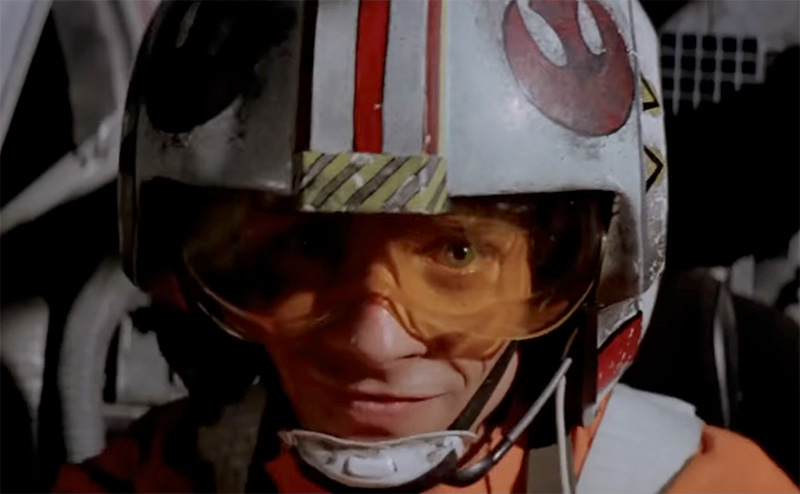
The climax of Star Wars: A New Hope sees Luke Skywalker leading the attack on the Death Star and firing the fateful shots that destroy the Galactic Empire’s massive battlestation. This results in a great victory for the Rebellion, but also causes the death of over 1 million Imperial personnel onboard.
Yet afterwards, we never see Luke express any guilt or remorse over causing such massive loss of life. Why didn’t destroying the Death Star seem to affect Luke psychologically? There are a few potential explanations:
The Greater Good
The Death Star had just destroyed Leia’s home planet of Alderaan, killing billions, and it was about to do the same to the Rebel base on Yavin IV if not stopped. From the perspective of the Rebel Alliance, the Death Star was an existential threat. It had the power to obliterate entire planets. In the grand scheme of things, Luke’s decision to destroy the Death Star can be seen as a necessary act to prevent further mass genocide. The deaths of the Imperial personnel, while regrettable, were viewed as a lesser evil compared to the potential annihilation of countless more lives.
The Nature of War
War, by its very nature, forces individuals to make difficult decisions. Soldiers on both sides are often required to carry out orders that result in the deaths of enemies. While the loss of life is tragic, it’s also an accepted reality of warfare. Luke, as a member of the Rebel Alliance, was a soldier fighting against an oppressive regime. His primary focus was on the mission at hand, and the broader implications of his actions might not have immediately weighed on him.
Dehumanization of the enemy
The Empire, as portrayed in the original trilogy, is often depicted as a faceless, monolithic entity. Stormtroopers wear identical armor, hiding their individual identities, and the vastness of the Death Star itself dehumanizes its occupants. This depersonalization makes it easier for rebels to view their actions against the Empire as being against a system rather than individuals.
Luke’s wartime mentality and focus on the mission
As a Rebel pilot in the heat of an existential battle, Luke had to maintain a single-minded focus on his attack run. He didn’t have the luxury of contemplating the moral complexities of war in that moment. It was about survival and completing the mission.
Delayed trauma
While Luke may not have felt much in the immediate aftermath, it’s possible he still could have dealt with guilt and post-traumatic stress from the experience later on. We just don’t see this depicted on screen.
While Luke’s lack of visible remorse or reflection on destroying the Death Star might seem puzzling, it’s essential to consider the broader context. The act was a strategic necessity in the war against a tyrannical regime, and the nature of warfare often requires making tough decisions for the greater good. However, as fans and analysts of the Star Wars universe, it’s always intriguing to delve deeper into the moral and ethical dilemmas faced by our favorite characters.